


On 6 November 2025, we jointly hosted the first workshop of the Future Journeys project, as part of our unique partnership with RNIB.
Future Journeys is a bold new initiative to reimagine travel to be more accessible for blind and partially sighted people.
The project is one of three initiatives that are part of our partnership with RNIB, which brings together our expertise, resources and the lived experience of people with sight loss to better understand how to drive change and break down the barriers to transportation.
Why accessible journeys matter
Being able to get around is essential for everyday life, including work and leisure.
Yet, one in three blind and partially sighted people rarely or never use public transport. Even short journeys can be stressful or difficult for people with sight loss. Many do not feel safe, and there is rarely enough support to help them travel confidently.
We need to change that, which is why we're reimagining the transport system to show how it could allow people with sight loss to make the journeys they choose.
How Future Journeys is imagining the future
November’s workshop, the first of three, brought together people with lived experience of sight loss alongside transport authorities, operators, designers, technologists and policymakers to understand the problems and explore what inclusive travel could look like.
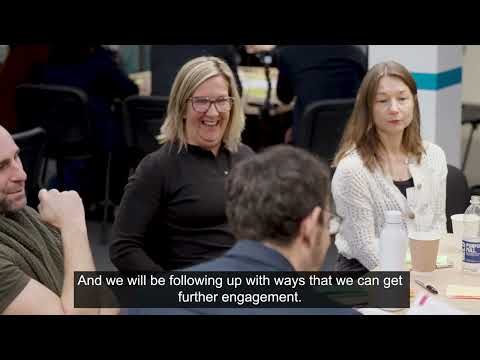
The workshop began with exercises that helped sighted participants from the transport and technology sectors understand what travel can feel like with sight loss.
People with lived experience of sight loss then shared honest reflections about the reality of travel. They spoke about the anxiety of not knowing whether a bus is coming, frustration when information conflicts, and the loss of spontaneity when every journey needs detailed planning.
Mapping real journeys
In the afternoon session, the group studied real journeys from the perspective of a person with sight loss and identified where barriers appear and why.
These included unclear signs, inaccessible ticket machines, unreliable audio announcements, cluttered pavements and the stress of having to ask for help.
It also became clear how key travelling strengths – such as determination, adaptability and independence – should be supported by inclusive transport design, rather than challenged.
Throughout the session, facilitators captured insights from each group to feed into the next stages of the project, which will start in early 2026. Our goal is a system that restores confidence, predictability and trust, while leaving room for spontaneity and joy.
Nicola Gampell, Transport Solutions Manager:
“It was brilliant to have such a diverse group of transport industry stakeholders in a room working directly with people with lived experience of sight loss. There were so many great discussions exploring the challenges faced both by disabled people and industry operators, and how we might overcome them. I’m really excited to see how this project will develop and reimagine the future of accessible transport.”
Learn more about Future Journeys
Visit the Future Journeys website to find out more about the project and keep up to date with its progress.