
We have been working in the space of micromobility and personal mobility for several years, identifying both the barriers disabled people face and the opportunity for more inclusive transport.
The Integrated Mobility project builds on this work. It explores how inclusive regulation can expand transport choice, independence, and confidence for disabled people, while supporting innovation across the wider mobility system.
Recent project announcement:
What is Micromobility and Personal Mobility?
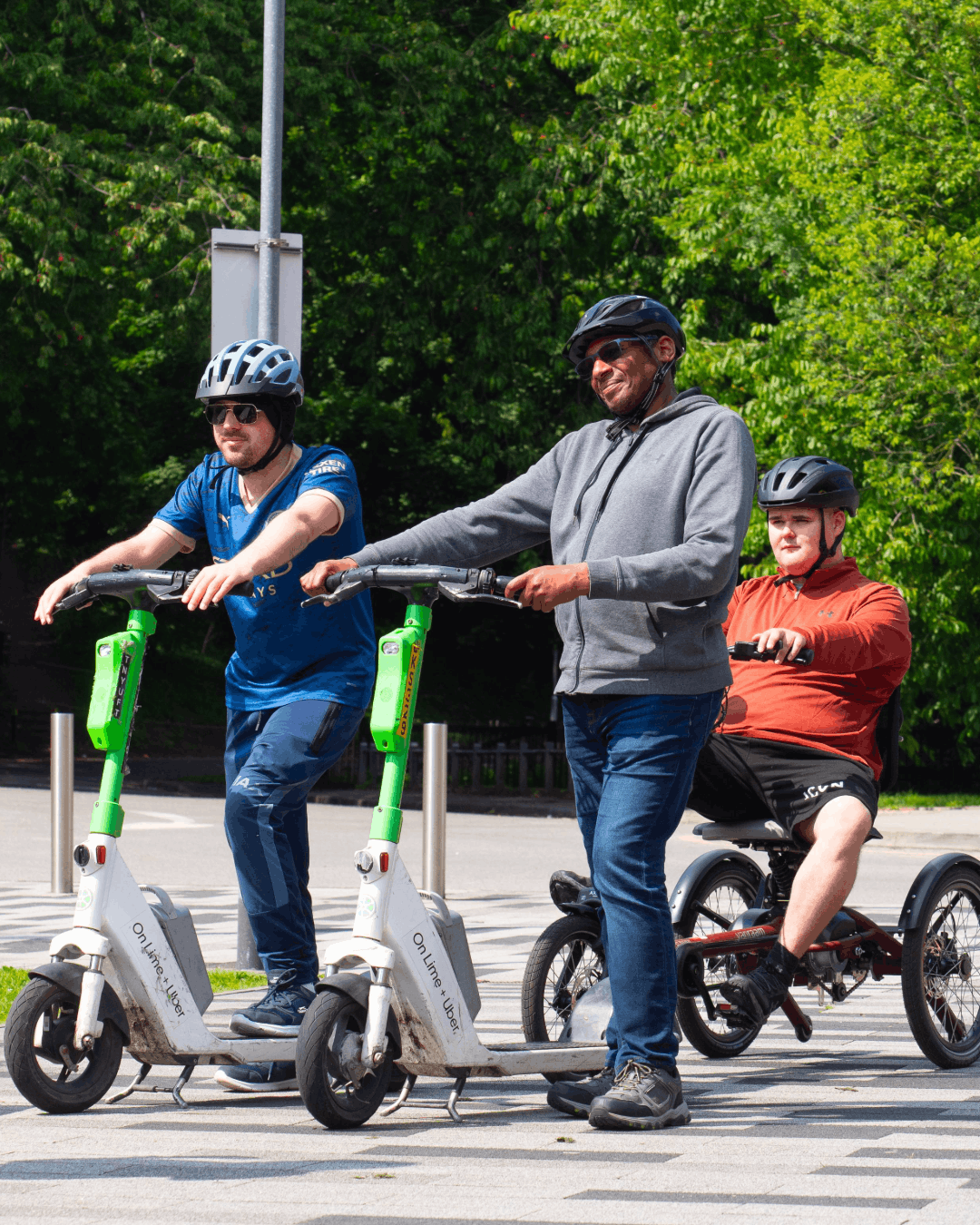
Micromobility includes small, lightweight vehicles such as e-scooters and bikes, often used for short journeys.
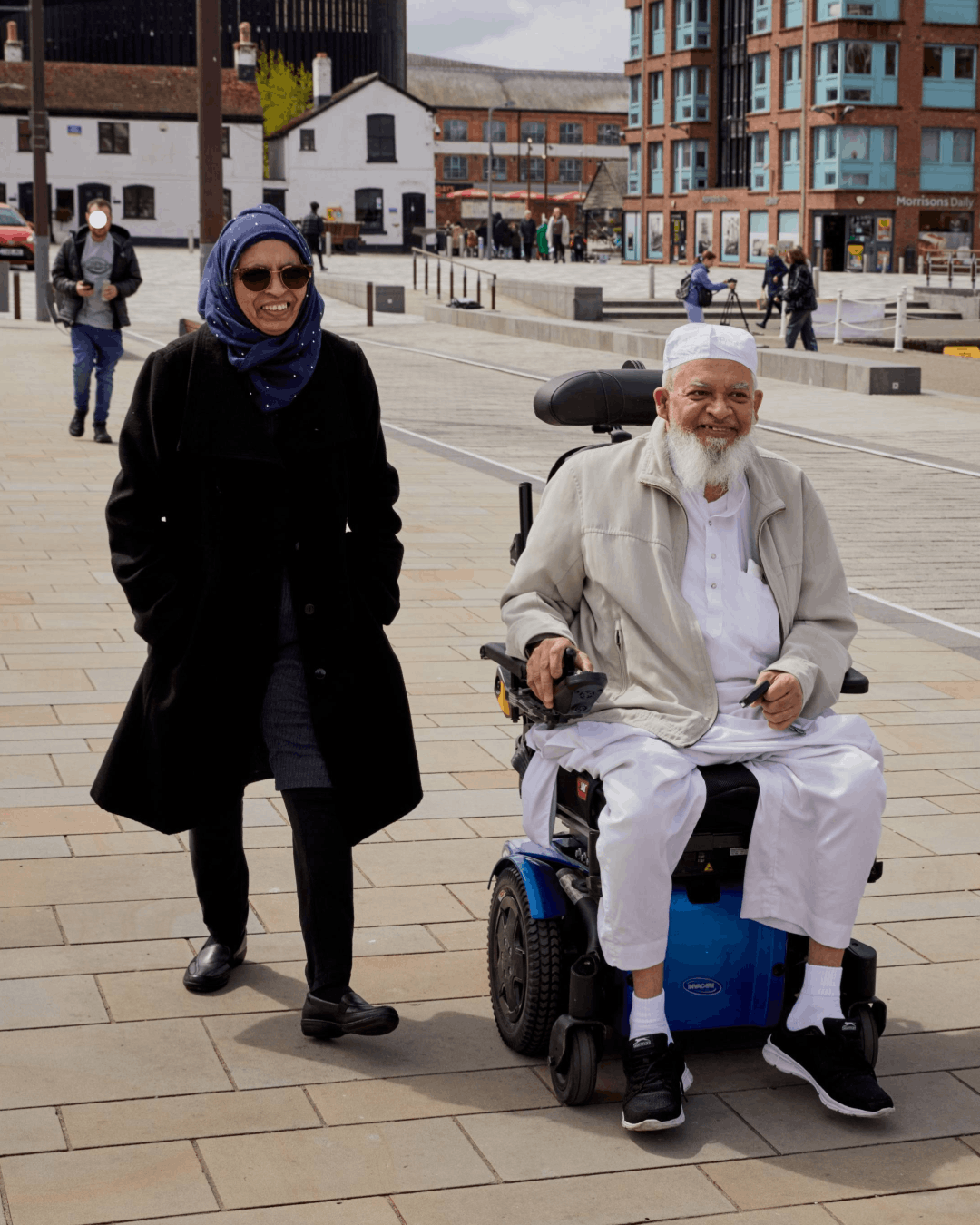
Personal mobility aids include powered wheelchairs, mobility scooters, and other powered assistive devices used by disabled people for independent travel.
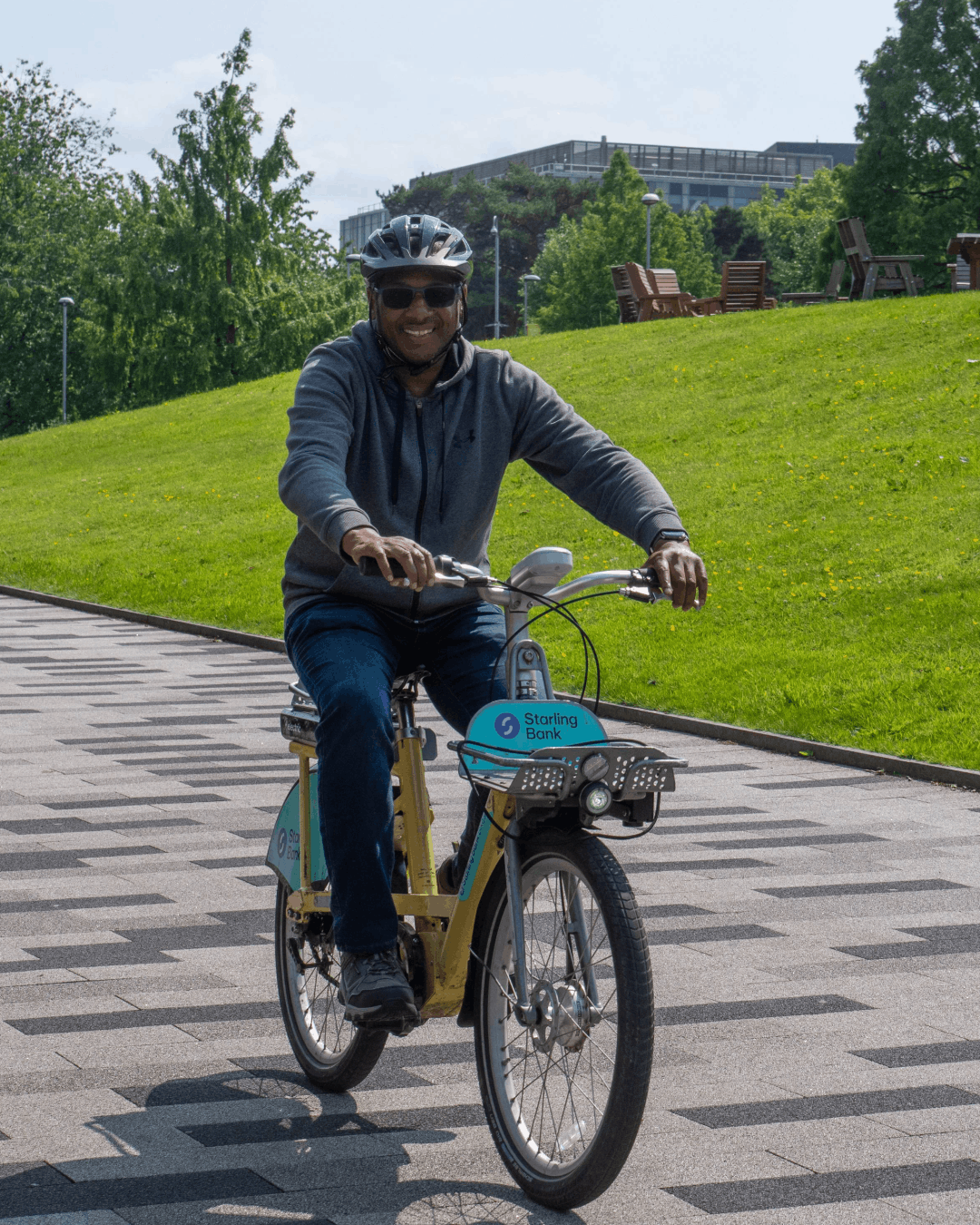
These devices increasingly overlap in both the technologies they use and the journeys they support. Research shows that 64% of disabled people who use shared micromobility report using it as a form of mobility aid (Raising the Bar report).
However, they are governed by entirely separate regulatory frameworks, creating confusion for users, manufacturers, and enforcement bodies. Addressing this disconnect is central to creating a more coherent and inclusive transport system.
What is the Integrated Mobility Project?
We have commissioned TRL (Transport Research Laboratory), working alongside RiDC, to deliver research that will inform the future regulation of micromobility and personal mobility aids in the UK.
The project will deliver research and recommendations to inform policy and regulatory decisions, ensuring emerging micromobility systems work hand-in-hand with personal mobility aids.
The work focuses on improving accessibility, safety, and inclusion for disabled people, bringing together lived experience, research, and stakeholder insight.
A Steering Group of Disabled People’s Organisations is guiding the work to ensure disabled people’s voices shape the outcomes. Members include Wheels for Wellbeing, Spinal Injuries Association, Wheelchair Alliance, RNIB, and Disability Rights UK.
Why now?
The UK currently has no comprehensive legal framework for micromobility, private e-scooters remain illegal on public land, and a Light Zero Emission Vehicle (LZEV) category has not yet been established.
At the same time, the existing framework for mobility aids, set out in the Invalid Carriages Regulations 1988, is widely recognised as outdated.
Government is progressing two distinct but connected regulatory processes:
A review of the Invalid Carriages Regulations 1988, governing powered mobility aids
Development of new legislation for e-scooters and other micromobility through an LZEV category
Together, these present a significant opportunity to establish a world-leading, inclusive regulatory framework, ensuring the future of micromobility is accessible and that both disabled people and non-disabled people benefit from rapid innovation in this sector.
How we are doing this
The project brings together:
Research with disabled people, including surveys and deliberative sessions, delivered by RiDC.
Safety analysis, including collision data and risks for pedestrians.
Assessment of technologies and interventions such as geofencing, audible warnings, and infrastructure design.
Engagement with government (including the Department for Transport and the Medicines and Healthcare products Regulatory Agency), local authorities, industry, and advocacy groups.
Co-designed recommendations developed with the Steering Group throughout.
Past work in this space
Raising the Bar (2025) (PDF 13.3 MB) – examining shared micromobility services and accessibility challenges for disabled people, delivered by RiDC and CoMoUK.
Salford pilot project (2025 to 2026) – hands-on experience with shared micromobility, providing support, guidance, and confidence-building for disabled people, led by CoMoUK and delivered by Cycling UK alongside operators Lime, and Beryl.
Not in Class report (2024 to 2025) – highlighting the urgent need to update legislation governing powered wheelchairs and mobility scooters led by the Wheelchair Alliance.
Stay tuned...
More research and recommendations which will be shared here later this year, along with any other project updates.