



In partnership with RNIB, our Future Journeys project highlighted how co-creation is the key to creating accessible transport.
One in three blind and partially sighted people rarely or never use public transport. That statistic speaks volumes, not just about transport systems themselves, but about participation in society more broadly.
If people cannot travel confidently and independently, their access to work, education, healthcare, social connection and everyday life becomes more limited too. Accessible transport is not a niche issue or a “nice to have”, it is the gateway for inclusion.
That was the starting point for Future Journeys, a partnership project between RNIB and the Motability Foundation, launched in April 2025. But from the beginning, we knew we did not want this to become another project focused purely on identifying barriers people already know exist. The transport sector is not lacking evidence that systems are inaccessible. In many cases, we already understand the challenges very well.
What is often missing is the space, and sometimes the confidence, to think differently about what accessible transport could actually look and feel like if we designed it from the ground up with disabled people.
Tackling systemic challenges through co-creation
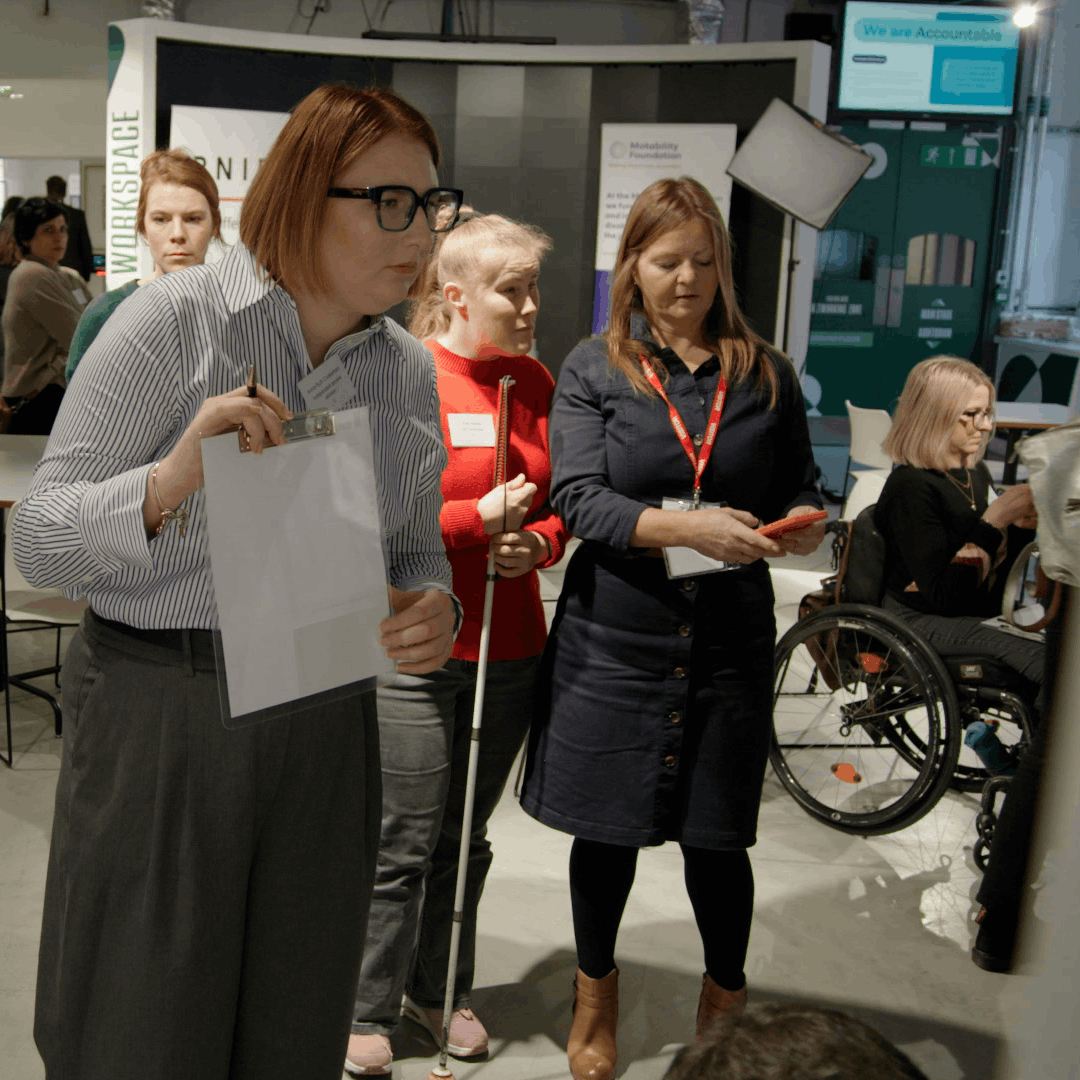
Future Journeys approached things differently. At the centre of the project was co-creation in its truest sense. Blind and partially sighted people were not brought in at the end to react to ideas that had already been developed. They helped shape the conversations, priorities and direction of the work from the very beginning.
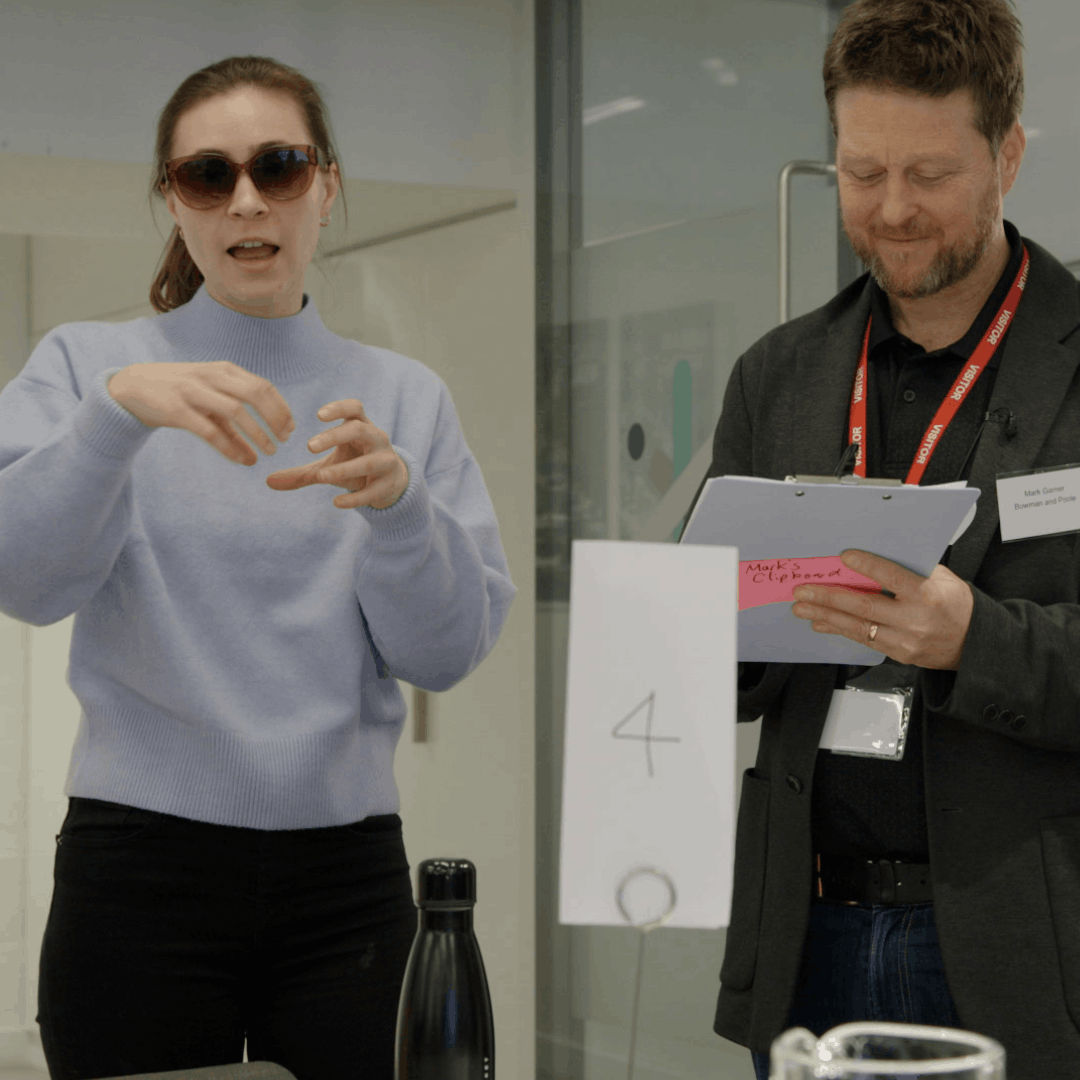
In a series of project workshops, our community of people with lived experience of sight loss became one of the most important contributors of expertise in the room, alongside transport operators, designers, technologists and innovators.
Too often, accessibility is treated as something that can be added on afterwards, a retrofit once the “main” design decisions have already been made. Inclusive design has to start earlier. It has to influence the questions we ask, the assumptions we make and the futures we are prepared to imagine.
Using storytelling to provoke change
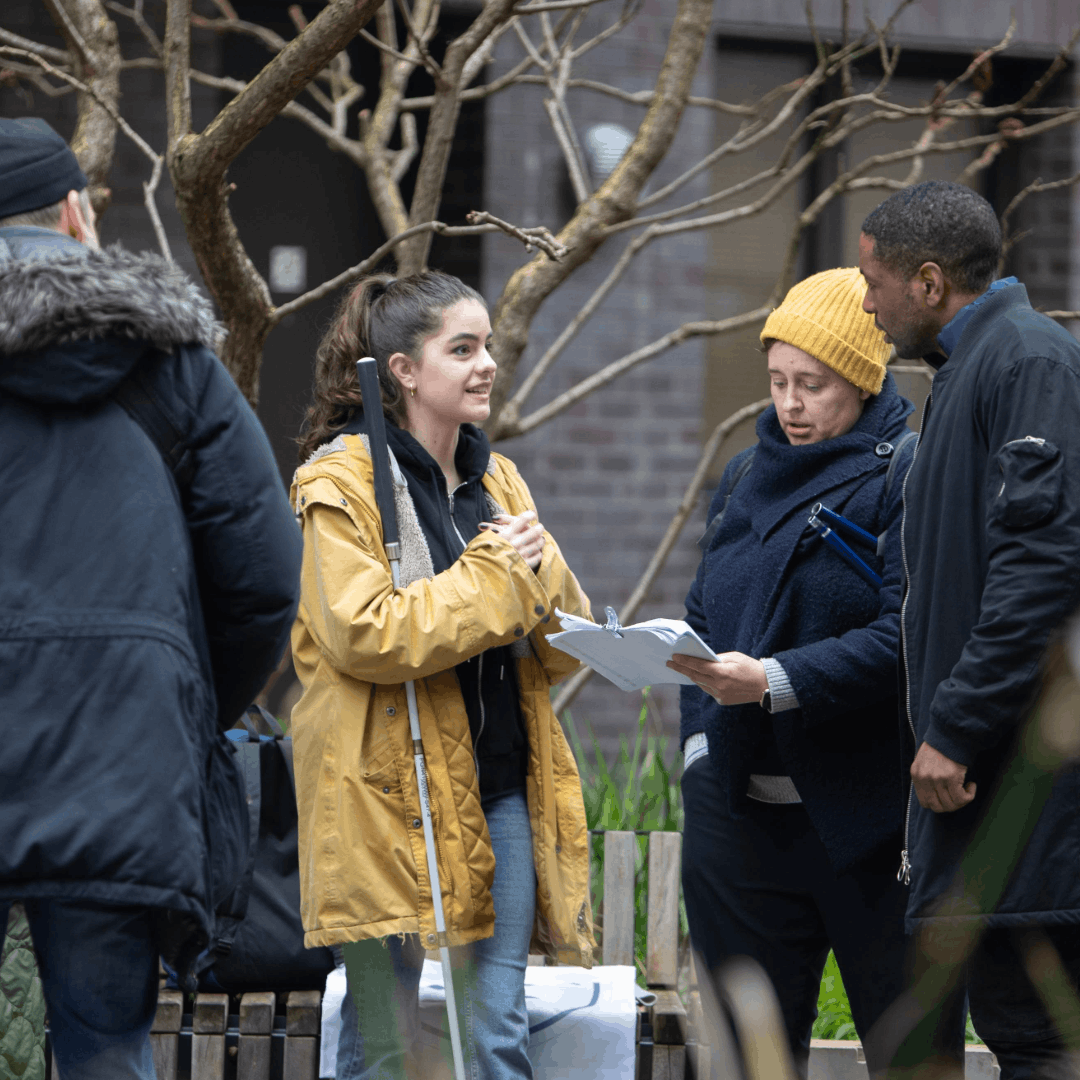
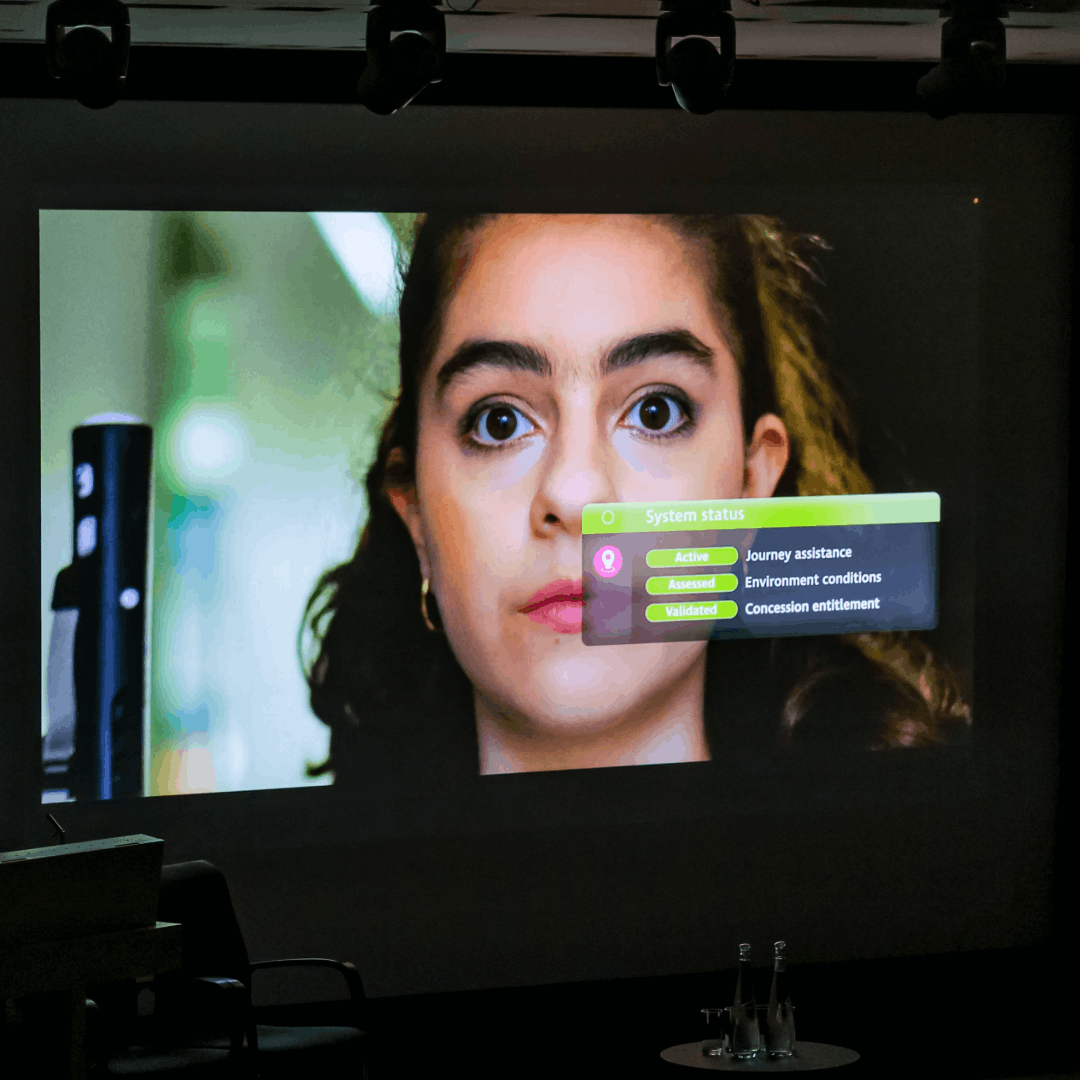
A critical aspect of Future Journeys was using narrative storytelling to help unlock those conversations. The project culminated in a final film Nyla’s Journey, which follows a teenager with sight loss navigating an ‘ideal’ accessible transport system. The film, which was co-created through a series of workshops, was never intended to predict the future of transport.
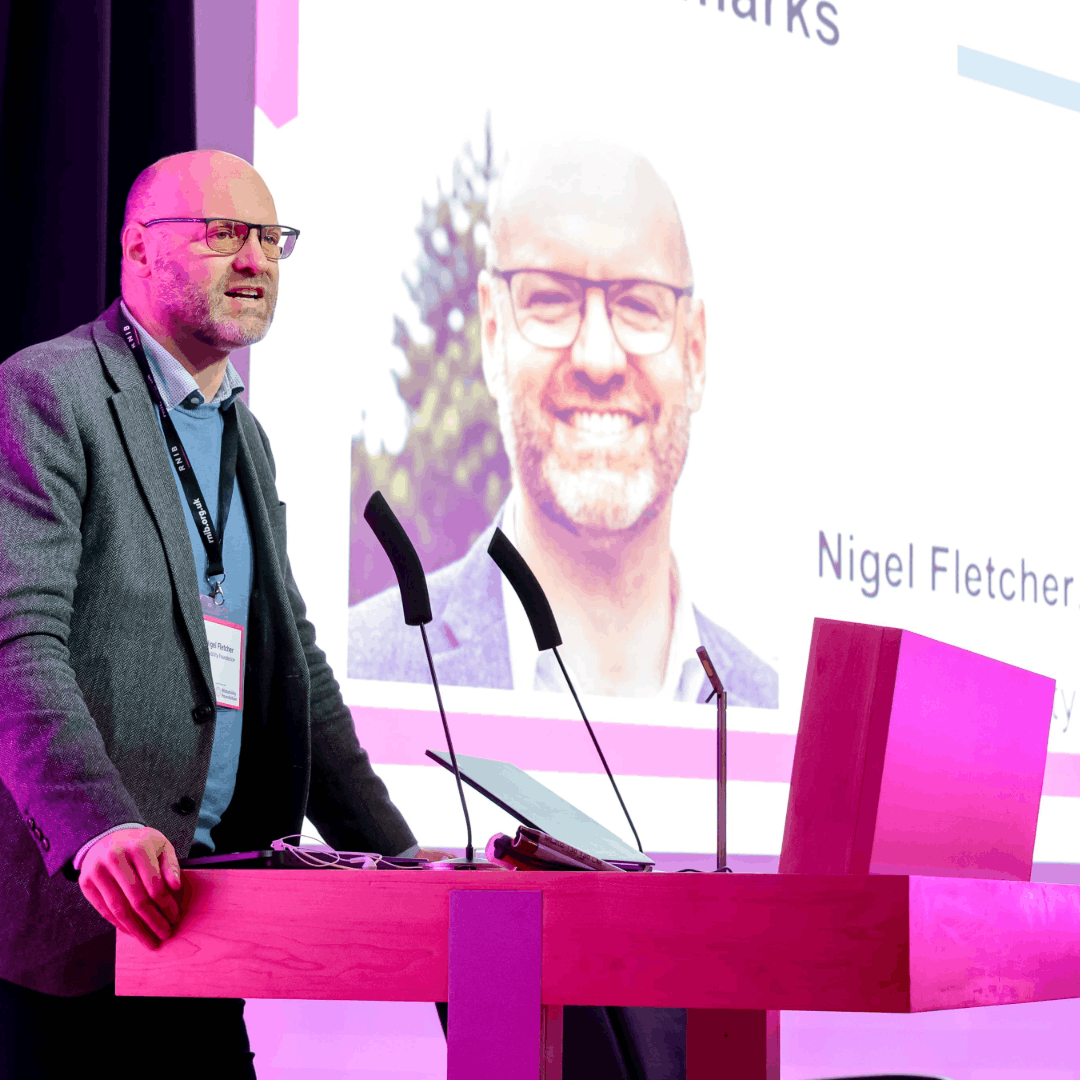
Instead, the film was screened in April 2026 to industry experts and stakeholders with a clear aim: to provoke discussion and create space for more ambitious thinking. It gave people permission to step outside the limitations of today’s systems and imagine what transport could feel like if accessibility was embedded from the start.
Traditional consultation often asks people to react to existing systems. But when people are asked to imagine experiences instead, the conversation changes. Our project participants spoke not only about safety, but about confidence, dignity, spontaneity and reducing the mental effort that can come with navigating inaccessible systems.
They spoke about what it means to move through the world without constantly planning for failure.
True independence is about confidence
Transport conversations often focus heavily on whether somebody can technically complete a journey. But true independence is also about confidence. It is about whether people can make spontaneous decisions, adapt when plans change, trust the information they are being given and feel that the system was designed with them in mind.
The themes explored through Future Journeys reflected that wider perspective. The film included multi-sensory environments, more joined-up information, supportive passenger culture, assistive technologies, and systems that reduce uncertainty rather than increase it.
Importantly, none of those ideas emerged from one organisation or one type of expertise alone. They emerged because lived experience, transport expertise and innovation thinking were brought together equally.
That matters because inaccessible transport is not an individual problem. It is a systemic one.
The systemic challenge of modern transport systems
People are too often expected to adapt themselves around systems that were never designed inclusively in the first place. Exclusion is created through inconsistent information, fragmented systems, inaccessible infrastructure, unclear communication and decision-making processes that do not involve disabled people early enough.
The encouraging thing is that systemic problems can also be solved collectively. Across transport, there is growing recognition that accessibility cannot sit in a silo or be treated as a specialist add-on. It needs to shape strategy, infrastructure, technology, procurement and customer experience from the beginning.
One of the biggest lessons from Future Journeys was the value of creating space for honest collaboration. Some of the strongest conversations happened because people were willing to challenge assumptions, admit uncertainty and listen to perspectives different from their own.
Accessibility can be a driver of innovation
For transport leaders, policymakers, designers and technologists, there is a unique challenge in the question: What would change if accessibility was treated as a driver of innovation rather than a constraint?
Because inclusive design benefits everyone. Simpler navigation, clearer information, more intuitive systems and better designed environments improve journeys for far wider groups of people.
There is a responsibility across transport, policy and technology to move beyond incremental change and involve lived expertise much earlier and much more purposefully. To test ambitious ideas, to collaborate across sectors, to recognise that accessibility should not be constrained by what systems currently allow.

Collaborate with us on Future Journey’s next steps
The premiere screening of Nyla’s Journey was never intended to be the end of a conversation. If anything, it was the point where the sector was asked to reflect on what comes next.
Most importantly, it is a moment to recognise that nothing should be off the table when designing inclusive transport systems for the future.
The film created an opportunity to imagine something different. The real question now is what we choose to do with that opportunity. We’ve witnessed a possible future – the next phase of the project depends on what we can do together.
To collaborate with us on the next phase, register your interest via the contact form on the Future Journey's website.