



Did you know, today is Assistance Dog Day? It is celebrated each year as part of International Assistance Dog Week which starts from the first Sunday in August.
Assistance Dog Day is used to recognise the impact these highly trained dogs make to the lives of disabled people. It also raises awareness of the different kinds of assistance dogs and the organisations that train and support them.
What is an assistance dog?
An assistance dog is a dog that has either been trained by their owner or an organisation to support disabled people.
In short, they help their owners navigate the world.
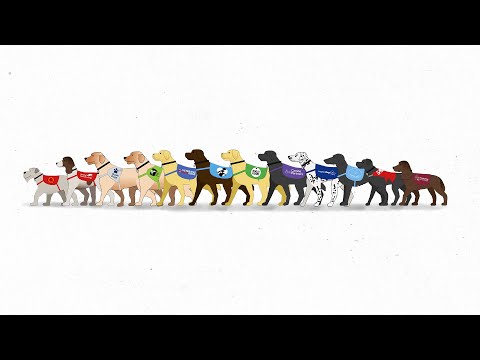
Assistance dog apparel
One of the easiest ways to tell the difference between an assistance dog and non-assistance dog is by what it is wearing.
While even household pet dogs enjoy wearing jumpers, hats or even costumes, for assistance dogs, what they wear is a visual signal of the kind of support they are giving the person they are with.
What do their coloured jackets mean?
Red – Dog A.I.D (Assistance in Disability), these dogs support people with physically disabilities.
Red – Medical Detection Dogs, these dogs support people with complex medical conditions.
Burgundy – Hearing Dogs for Deaf People, these are hearing dogs that support people who are deaf or hard of hearing.
Green – Dogs for Good, these assistance dogs support people with physically disabilities, mental health conditions, dementia and autism.
Blue – Support Dogs, these dogs can support people with physically disabilities, but they can also be seizure alert dogs for people with epilepsy and assistance dogs for children with autism.
Purple – Canine Partners, these dogs support people with physical disabilities both at home and out and about. This includes emotional support and companionship.
White with a fluorescent yellow stripe – Guide Dogs, these dogs support people who are blind or partially sighted.
What to do if you see an assistance dog?
The main thing to remember is that these are working dogs. While they are cute and fluffy, these dogs are specially trained to assist their owners. They are calm, quiet companions whose main goal is to keep the person they are supporting safe and independent.
It is important that you never disturb as assistance dog – they are hard at work and should not be distracted! Always ask permission of their human companion before engaging with an assistance dog, but you should be comfortable with the fact that they can say no.
Even if the dog is not wearing their harness of jacket, they are on duty! Always ask permission before engaging.
Learn more
You can find out more about assistance dogs, on the Assistance Dogs UK website.