


Back in December, I thought I might have retired by July so, naturally, I started planning something big: a trip to a part of the world I’d never visited before. Somewhere I could take my guide dog Betty and still feel confident about getting around.
The West Coast of North America had been calling for a while. I’d travelled along other stretches of the Pacific Coast, including parts of South America, Australia and China, but never that section. One day I’ll fill in the middle too.
Choosing a trip that could work for both of us
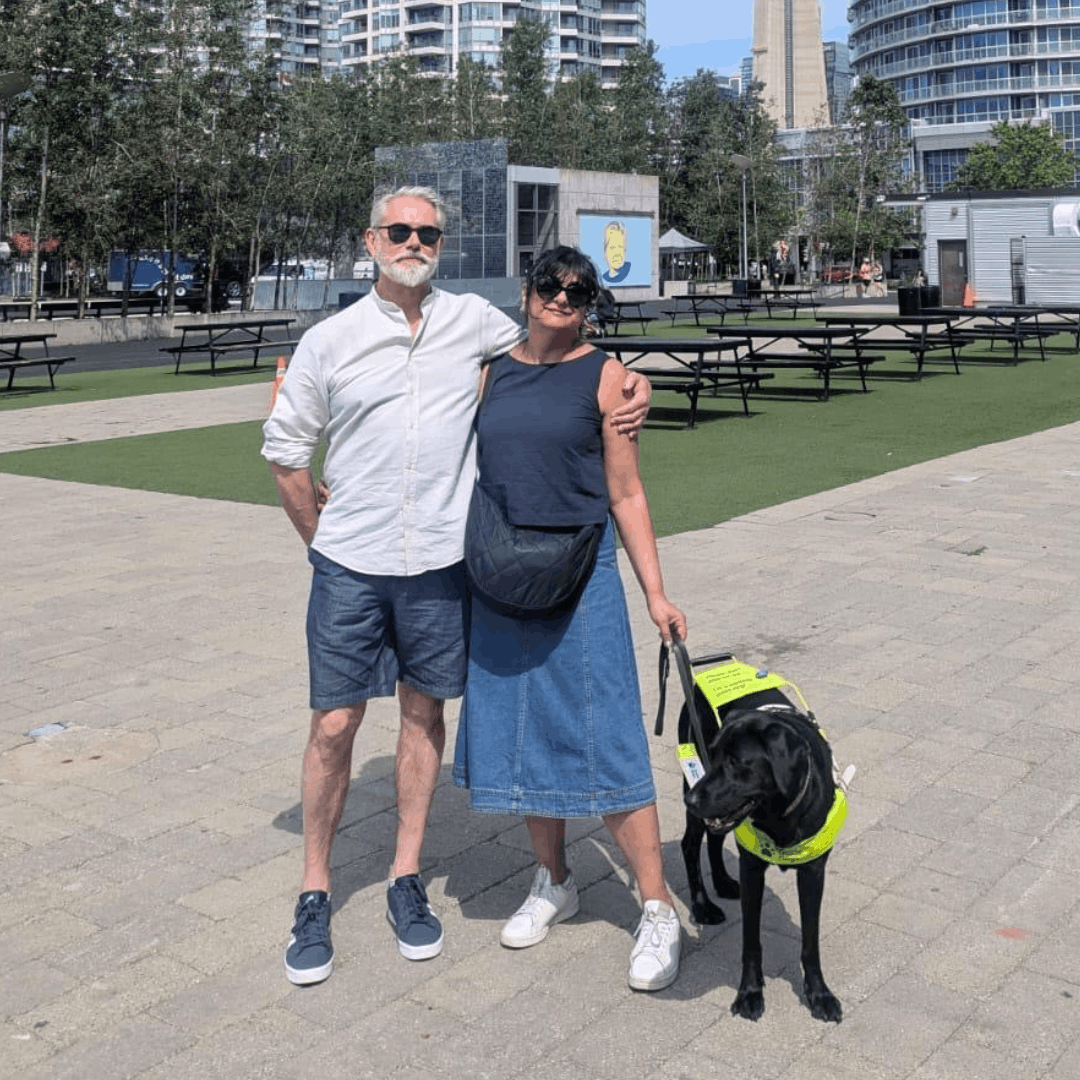
I began by finding a flight to Vancouver but decided to break the journey in Toronto for a few days so I could visit friends and family and give Betty a shorter first flight. My husband joined for that part of the trip, although as a late addition he ended up on a different flight.
From there, I booked a cruise from Vancouver to Alaska, followed by a few days in the city before flying home.
For me, the first question is always: where can Betty and I travel together, and where will I be able to get practical support locally if I need it? Even if I could take Betty to somewhere more complicated to navigate, like Cambodia, I would not feel confident about arranging taxis, paperwork and support without a sighted companion.
Sadly, disability rights and accessibility are not universal, and that affects some of the choices disabled travellers can realistically make.
The paperwork behind the adventure
Once the flights were booked, the planning really began. I contacted the airline straight away to tell them Betty would be travelling with me.
That meant filling in forms, sending off her paperwork, and making sure she was approved to travel and return. Her rabies vaccination certificate is one of those documents I guard with my life.
I also booked accommodation early and let every hotel know Betty was coming – so even though she can legally stay with me for free, it was not a surprise. The cruise line needed the same information.
Most important of all, I contacted the border authorities in each country we were travelling through, including for our return to the UK.
Travelling internationally with a dog means understanding each country’s entry requirements, and UK rules also require dogs to have a tapeworm treatment within a set window before returning from most countries.
That meant finding and organising a carefully-timed vet appointment in Canada so the treatment could be administered and signed off correctly.
Choice matters, but it is not always guaranteed
In most ways, I did feel I had the same level of choice as other travellers, mainly because we were visiting places with similar disability rights to the UK. But there were moments when choice was taken away.
On the cruise, I had pre-booked us a day hike in the mountains, but the operator said they could not guarantee our safety. As seasoned walkers, I have no doubt we would have been fine, but Betty and I were an unknown quantity to them. We were re-booked onto a different trip, but it was not the big hike we had been looking forward to.
When access is about attitudes, not just infrastructure
There was another moment on our last night in Vancouver. We had booked a restaurant and were really looking forward to it, but when we arrived the staff were unwelcoming. We were given an out-of-the-way table and then waited 40 minutes without being served, so we left.
It was unusual for Canada, where we were generally made to feel welcome, but it was a reminder that accessibility is not only about ramps, transport or paperwork. It is also about whether people treat you as if you belong.
Betty, the seasoned traveller
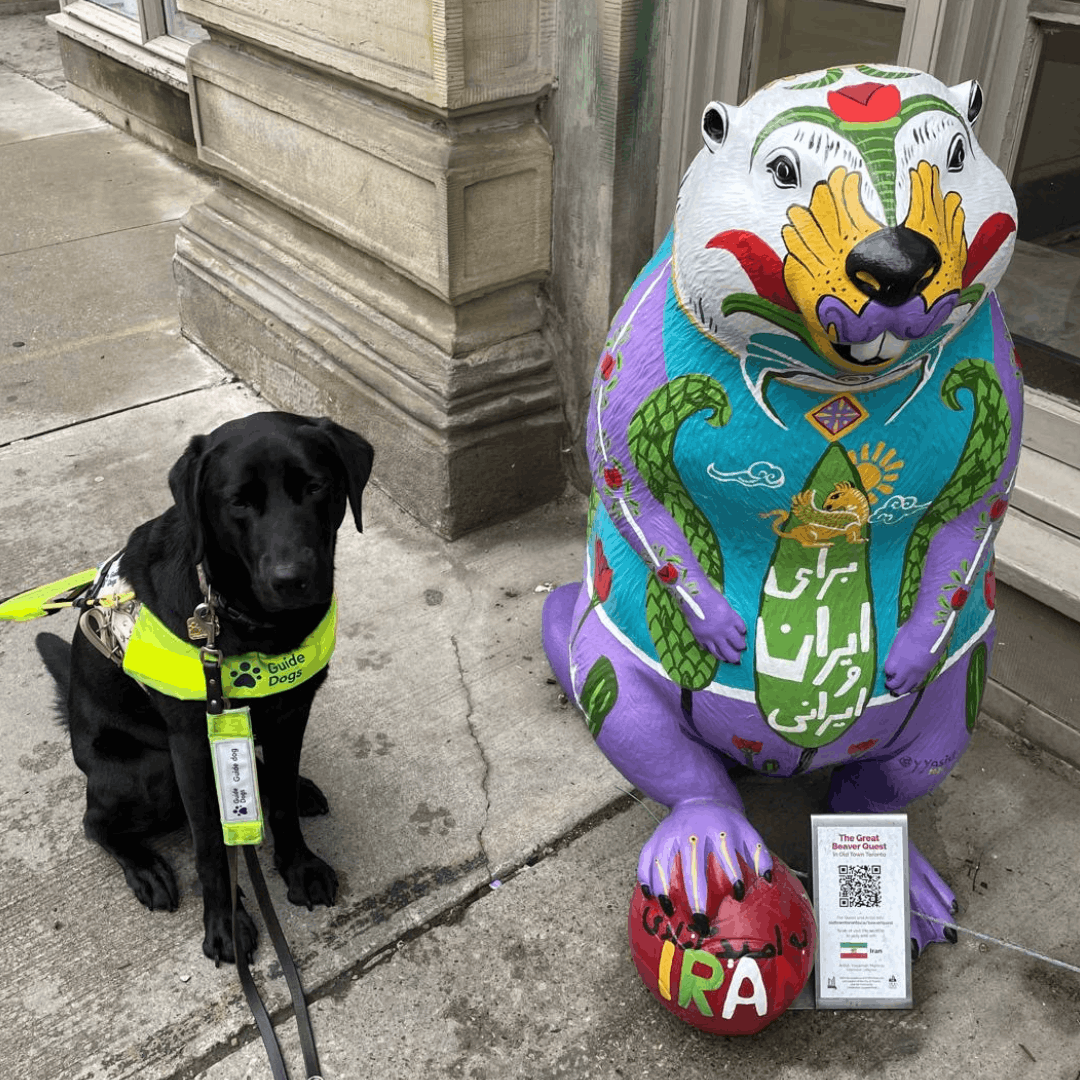
Betty loved the trip. She is an adventurer, so after the heat of the city she enjoyed the great outdoors, swimming in the lake and taking in the local wildlife.
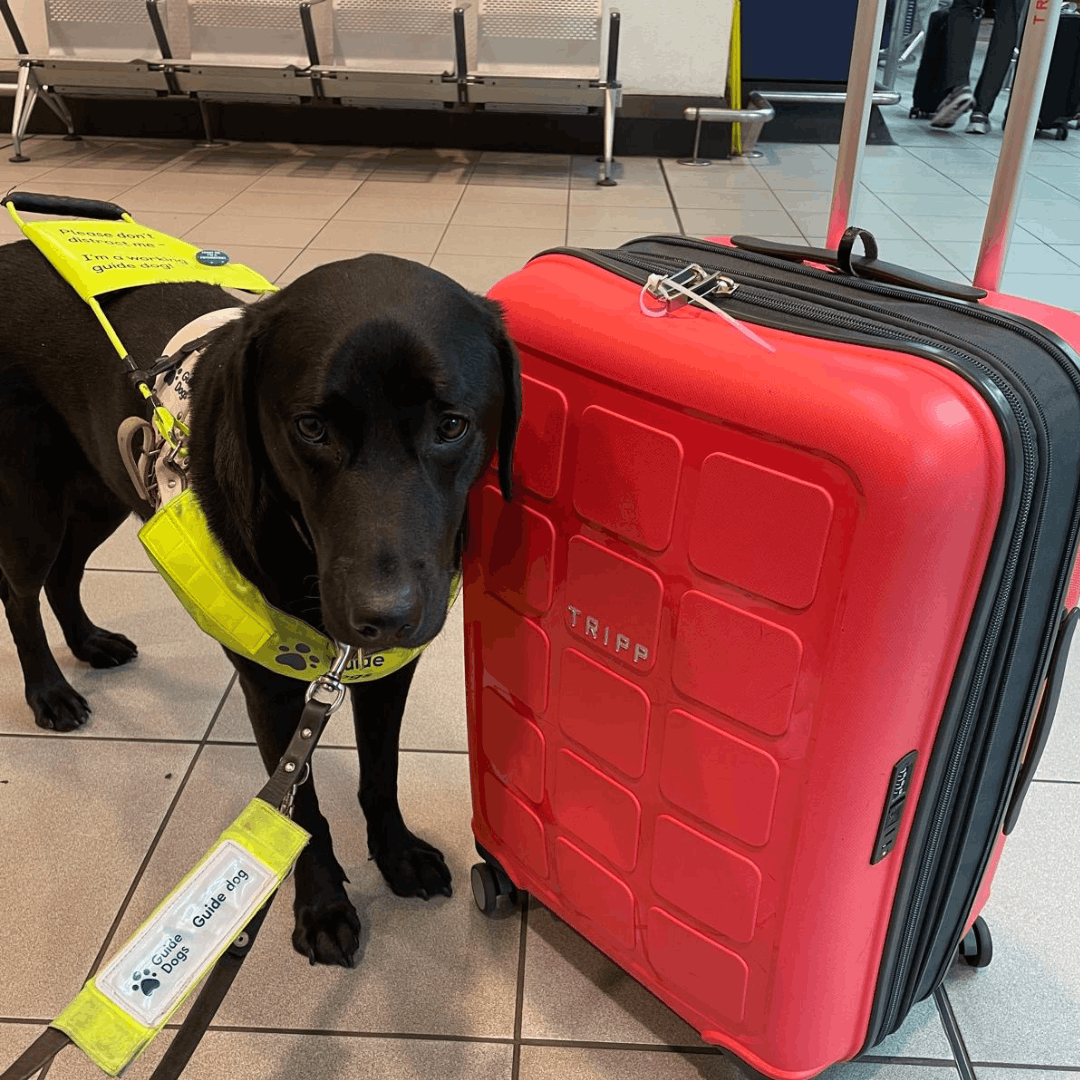
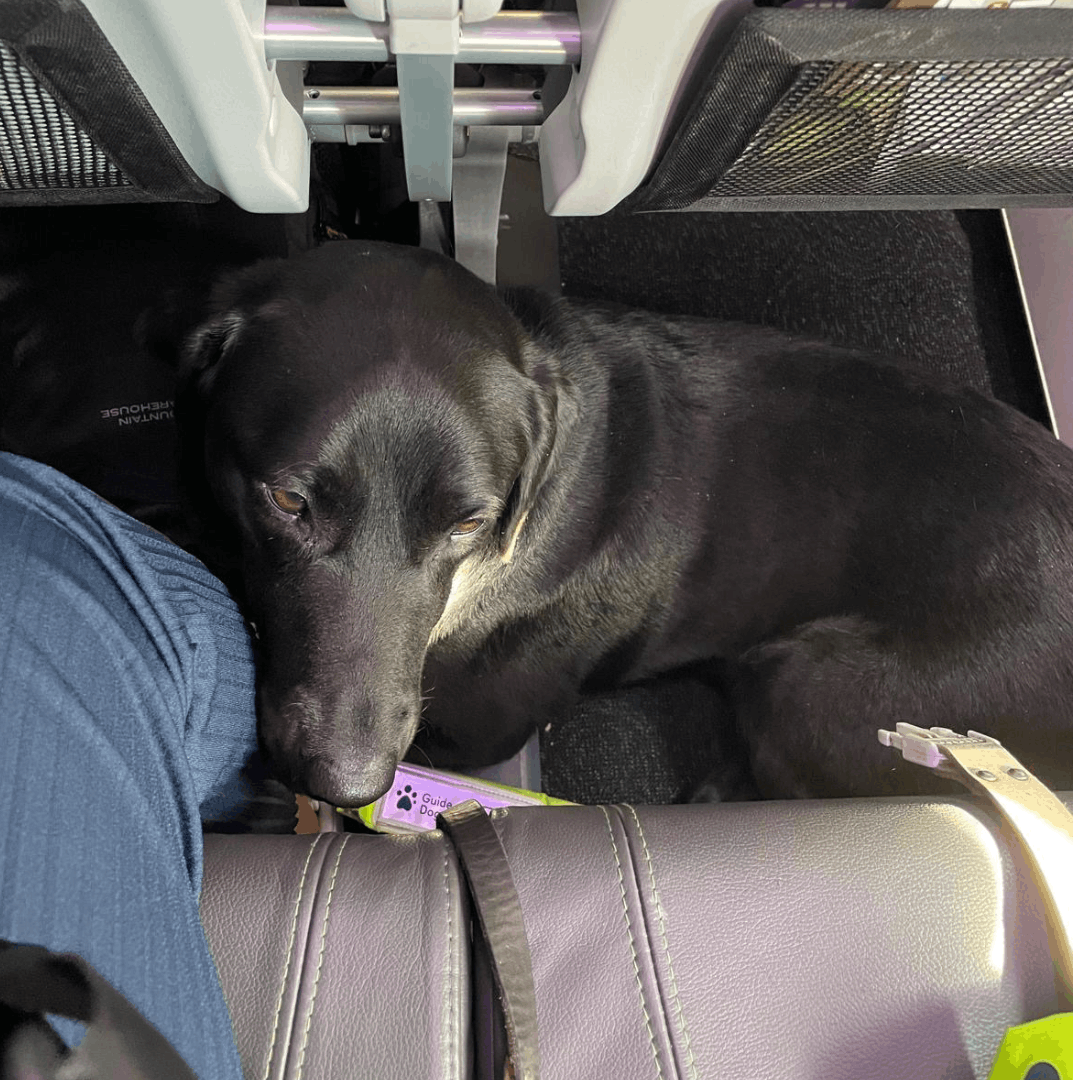
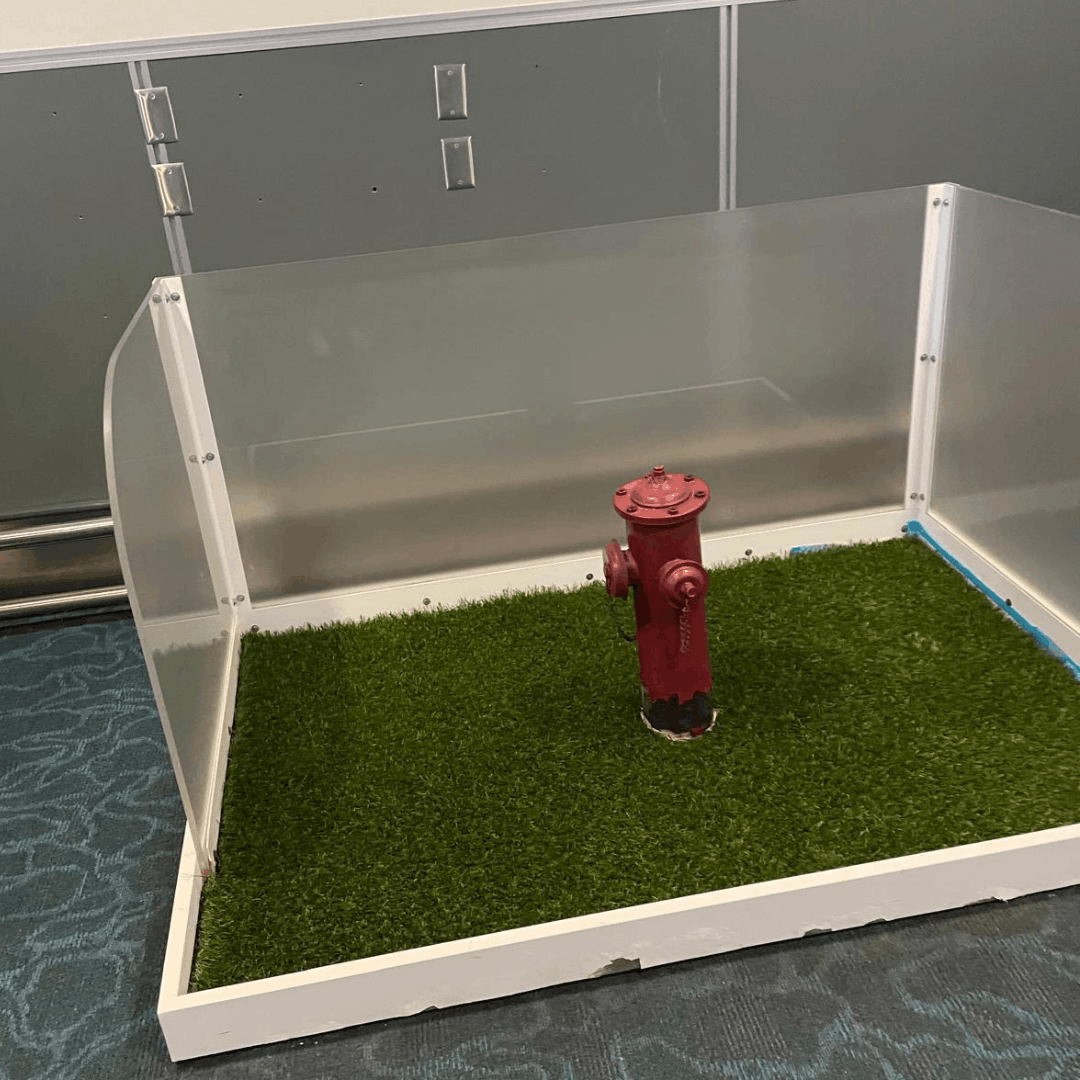
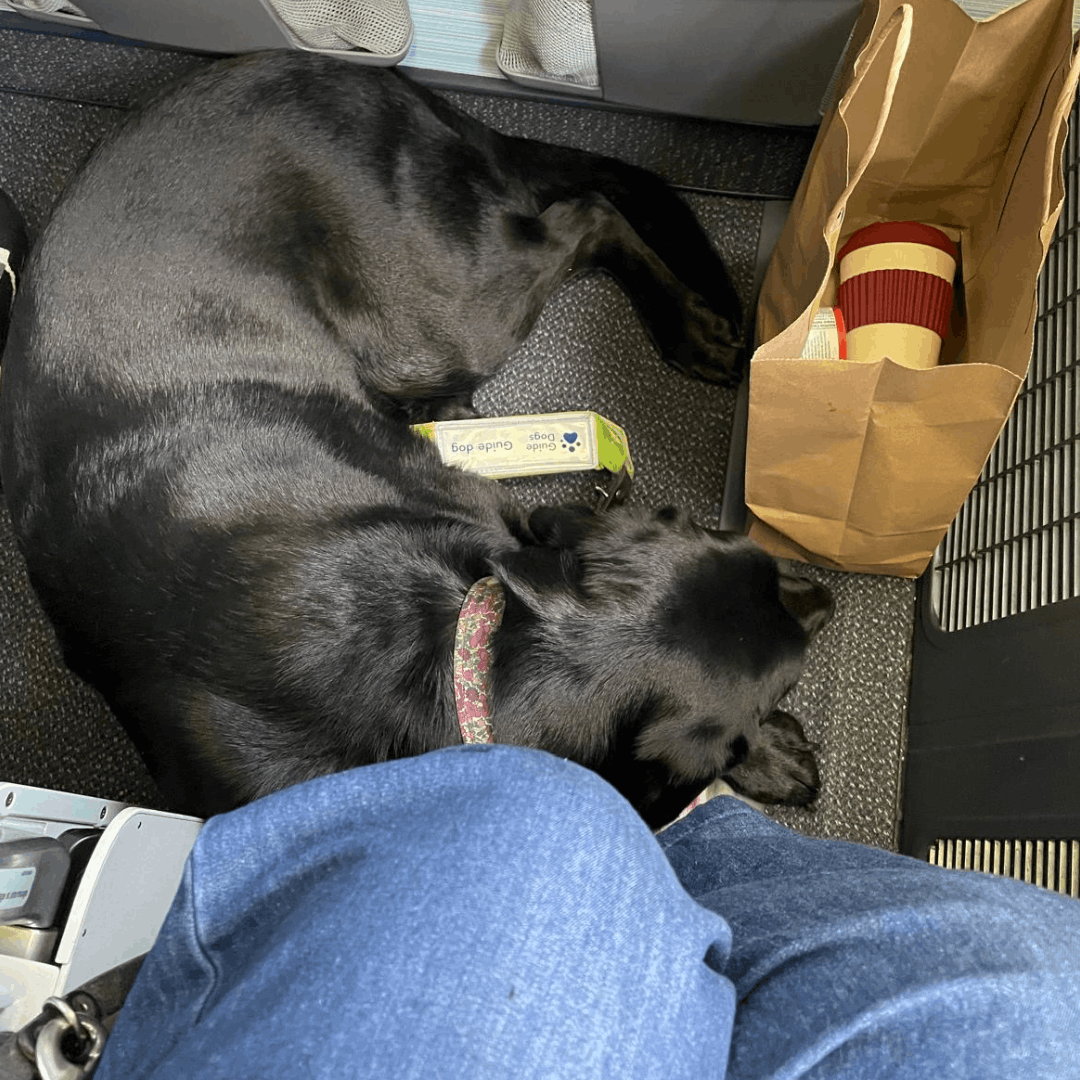
She has a routine going through the airport, and was brilliant on the flights, falling asleep as soon as she got on board and staying patient once we landed.
She is used to hotels and different types of transport, and the dog parks in the city were well set up, giving her the chance to meet and play with new friends.
Moments that stayed with me
One of the highlights was in Glacier National Park, when Betty met a porcupine in the woods. It was magical to watch. She was curious, but very respectful, and it became one of those unexpected travel memories I will treasure.
I should also mention how helpful Pacific Coastal Airlines were when I had to take a flight at the last minute and arrived at the airport with a dog they were not expecting. Their response made what could have been a stressful situation much easier.
I was also blown away by public transport in Vancouver. It was plentiful, affordable, easy to navigate and had level boarding almost everywhere, even on the AquaBus. When transport is designed well, it does more than get people from A to B. It gives people confidence, spontaneity and independence.
Food, markets and local flavour
The food was another joy of the trip. Toronto and Vancouver both have eclectic food scenes, and both have brilliant markets: St Lawrence in Toronto and Granville Island in Vancouver. Blueberries were in season, so there were baked goods with local flavours everywhere.
Highlights included a French bistro serving epic waffles with strawberries, cream and chocolate mousse, and an old Chinatown restaurant famous for crispy roast pork. And, of course, there was beautiful fish everywhere.
What the UK could learn
The biggest lesson for me was how often Betty was accepted without question. People were not intrusive about me or her, and we were rarely challenged, even in busy places like Chinatown. That happens far too often in the UK. Sometimes the most powerful thing a place can offer is not a special arrangement, but an ordinary welcome.
In conclusion: how travel can be made possible for more disabled people
As a former diplomat with family on four continents, I have travelled a lot, with and without my dogs. The planning and preparation feel routine now, but I still learn new things every time.
Rules change, systems differ and it is always worth double-checking before you travel. It is also easier than ever to research what you need, speak to people who have done similar journeys and understand what support should be available.
For more disabled people to take trips like this, travel providers need to understand that accessibility is not an add-on. It is part of the journey from the moment someone starts researching, booking and asking questions. Clear information, confident and knowledgeable staff, inclusive transport and respectful treatment all make a difference.
Most importantly, disabled people have a right to travel. The preparation can be complicated, and there may be moments when things do not go to plan, but the answer should not be to stay home. For me and Betty, this trip was a reminder that adventure is possible when places, systems and people make room for it.
My advice is simple... get out there and give it a go.